
Locations
Bilston
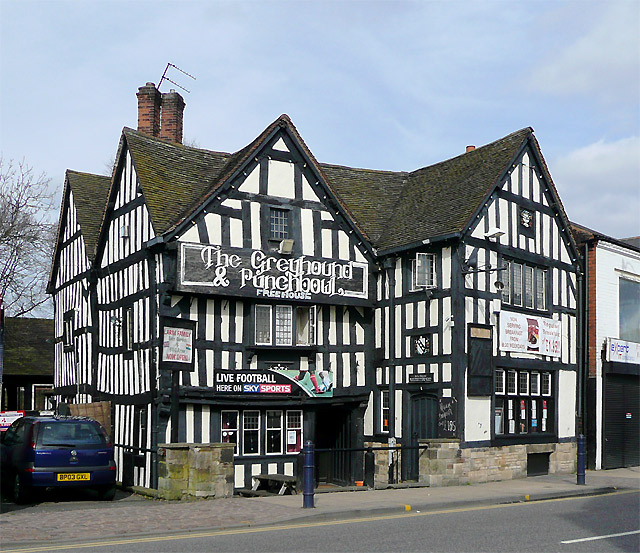
Bilston, a Black Country town, is located in the City of Wolverhampton. It lies about 2.5 miles south of Wolverhampton's city centre, and near the borders of Sandwell and Walsall. The population was 34,639 in the 2021 Census. It is an ancient settlement -- Bilston, first called Bilsatena in AD 985 -- and Christian worship can be traced to a chapel that was around a 1000 years old. The church of St Leonard later replaced it.
Bilston was shaped by industry more than anything else. From the mid-17th-century, Bilston was known as an enamelling centre. It grew to become a coal and iron mining area in Victorian times. Then the steel industry took over the region. The town's steelmaking history spanned two centuries. A giant blast furnace called 'Elisabeth,' which dominated the skyline, was demolished in the 1980s, and the works shut down in 1979. Bilston had its own mayor and council between 1933 and 1966. It still has a strong sense of local identity, despite having been absorbed by Wolverhampton.
The town has a blend of heritage and regeneration. The refurbished Bilston Town Hall and Bilston Craft Gallery are landmarks that pay homage to the town's industrial past. Bilston is well connected to the rest of the region thanks to the West Midlands Metro tram that opened in 1999.
Pelsall
Pelsall is an important village and suburb located in the West Midlands. It is located 3 miles north-east of Walsall and midway between Bloxwich, Brownhills and Bloxwich. This village forms part of the border of the Metropolitan Borough of Walsall with Staffordshire. It is an ancient settlement: Pelsall first appeared in a 994 charter, when it was included among the lands that were given to the monastery of Heantune (now Wolverhampton) by Mercian noblewoman Wulfrun. The village's original name, Peolshalh, meant "a nook" or "land between two rivers". It appears in the Domesday Survey of 1086.
Pelsall, like its neighbors, was transformed by industrialization. Pelsall's population grew from 477 people in 1801 up to 3,626 in 1901. This was due to the cutting of the Wyrley and Essington Canal in 1794. This history was not without hardship. The Pelsall Colliery Disaster in 1872 took the lives of 22 men, boys and children. A granite obelisk is located at St Michael's Churchyard to commemorate their memory.
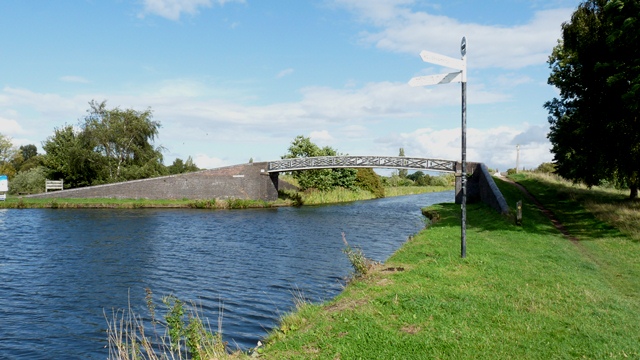
Modern Pelsall's green spaces are its most notable feature. Pelsall and Nest Commons form a large Local Nature Reserve. It is notable for being one of the few sites in Walsall that supports thriving populations of Great Crested Newts. A carnival has been held in the village every year since 1972. It also features canal-side walks, heathland, and a strong sense of community.